Why Heritage Matters in Luxury
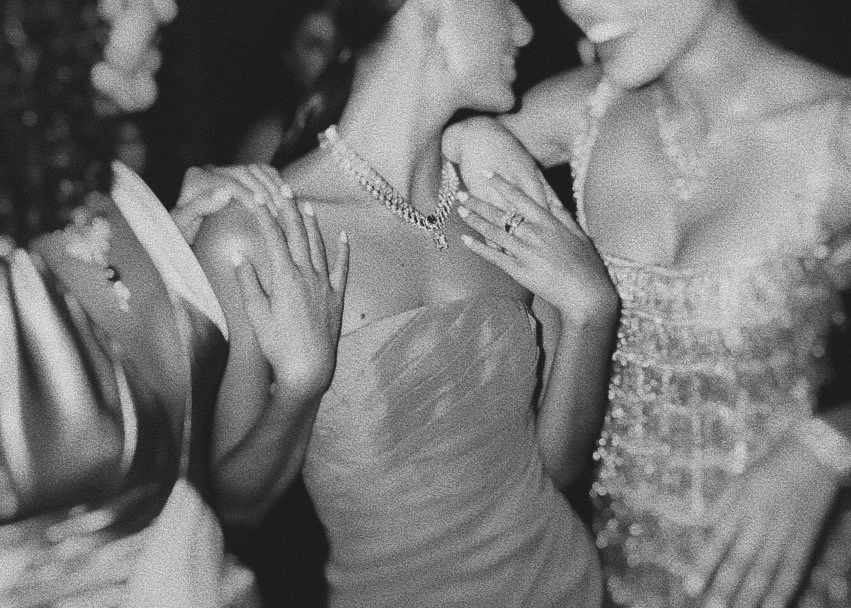
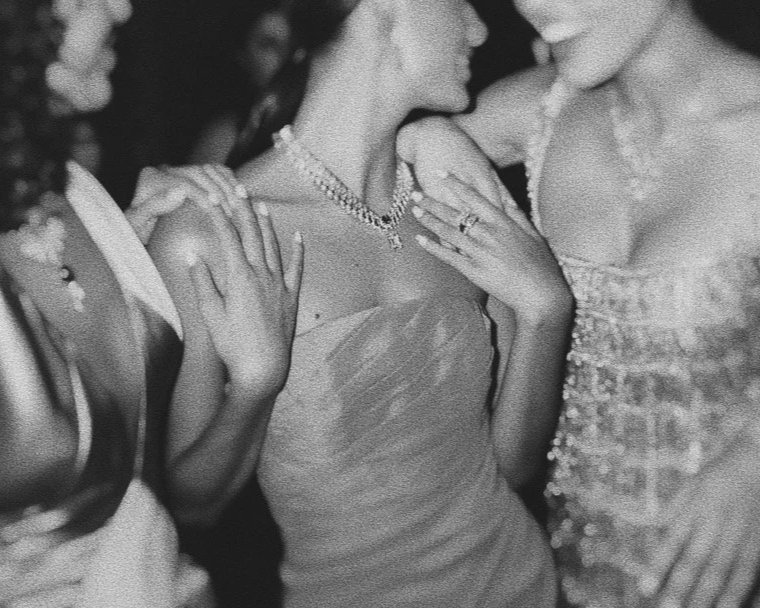
Source: Cartier High Jewelry Event
An exploration of how heritage shapes luxury brands—building identity, authority, and enduring value through legacy and continuity.
Luxury today operates in a climate of acceleration. Collections turn over quickly, cultural references shift overnight, and visibility is constant. New brands are entering the market with increasing frequency, often with strong visual expression from the outset. And yet, despite this abundance, only a small number of houses carry a sense of permanence. Few feel established in a way that goes beyond product, and hold their position without needing to constantly reassert it.
That distinction is shaped by heritage.
Heritage gives a brand presence over time. Their past can contribute to this, but it is only one dimension. What defines it in practice is continuity—when a brand returns to its own language, revisits its signatures, and builds on what it has already created. This not only establishes familiarity and trust, but allows the brand to become legible without explanation.
It is why certain names feel grounded even as they evolve. Their identity does not shift with every season. It accumulates. And in luxury that carries weight.

The Brand Atelier
Everesse is a luxury brand consultancy shaping the strategic architecture that defines meaning, signals value, and sustains distinction.
Heritage vs. History
To understand this fully, it helps to separate two ideas that are often used interchangeably. History is a record. It includes founding dates, key figures, milestones, and archives. It is factual and chronological. On the other hand, heritage is culture that is preserved and passed down through traditions.
This distinction matters because heritage is not simply inherited. It is shaped through selection. It’s determined by what a brand preserves, what it refines, and what it returns to. Gradually, those decisions form a distinct and recognizable character.
Continuity becomes the mechanism through which this happens. Design codes reappear across collections. Materials and techniques are used with consistency. Narratives are revisited and expressed in new ways. These elements are not repeated verbatim. They are interpreted, adjusted, and carried forward.
This is what allows a brand to evolve without losing clarity. Each new expression connects to what came before. The result is a sense of progression rather than constant disruption. It is a matter of stewardship, and the age of the brand alone can not create this effect. There are brands with long histories that feel fragmented, and newer ones that show signs of cohesion. What matters is how deliberately a brand builds on itself.
Cultural Authority
Heritage is not only aesthetic. It is strategic and it builds luxury authority. A brand with a strong foundation signals that it operates from a defined point of view. It does not rely on external validation or short-term trends to establish relevance. That steadiness strengthens credibility and reinforces long-term desirability.
This has direct commercial implications. Products feel anchored in something larger than the moment. They carry meaning beyond their function or form. As a result, customers engage with them differently. The purchase connects to a broader narrative that extends beyond its design.
At the highest level, this influence is more than just participation in culture. It shapes it. Certain luxury houses inspire how taste is defined. They set standards for proportion, material, craftsmanship, and presentation. Their codes become reference points that others analyze or even mimic.
Eventually, these brands become icons. Their creations become symbols. Their visual language enters the cultural lexicon. Their perspective informs how elegance, status, and aspiration are understood across generations. This is the outcome of heritage reaching its full expression.

Source: Cartier La Panthère Campaign, 1950
A Living Archive
Cartier offers one of the clearest examples of how heritage is developed and sustained. Founded in 1847 in Paris by Louis-François Cartier, the house began as a fine jewelry atelier serving a discerning clientele. Its early trajectory was shaped by its relationship with European royalty and aristocracy, which positioned the brand at the highest level of luxury from the start. This association established Cartier as a house aligned with refinement, prestige, and cultural influence.
As the brand evolved into the early twentieth century under the direction of Louis, Pierre, and Jacques Cartier, its creative output expanded significantly. During this period, Cartier introduced designs that would become foundational to its identity.
The Santos watch, created in 1904 for aviator Alberto Santos-Dumont, is widely recognized as one of the first modern wristwatches. It combined technical innovation with elegance, translating a practical need into a style artifact. The Tank watch followed in 1917, inspired by the geometry of military vehicles seen during World War I. Its clean lines and balanced proportions established a new visual language in watch design, one that remains instantly recognizable.
Alongside these creations, Cartier also developed a set of visual and narrative codes that continue to define the house. Among the most enduring is the panther.
First introduced in the early twentieth century and later championed by Jeanne Toussaint, the panther became a central motif within Cartier’s universe. It represents strength, sensuality, and control. It has appeared across high jewelry, watches, and accessories in countless interpretations. Some are abstract, suggested through pattern or form. Others are sculptural and expressive. Each iteration differs, yet the underlying essence is intact.
This ability to reinterpret without losing recognition is central to Cartier’s enduring presence. The house continued to evolve through the twentieth century with creations such as the Love bracelet in the 1970s and Juste un Clou in the same era. These designs introduced a more contemporary, industrial sensibility while remaining aligned with Cartier’s broader aesthetic. They expanded the brand’s reach without fragmenting it.
What defines Cartier is not only its longevity, but its consistency in carrying forward its codes. The archive is not treated as a fixed reference point. It is revisited, edited, and expressed again, allowing the brand to advance while staying authentic.
Designing Heritage
For newer brands, heritage can feel out of reach. Without decades of history, it may appear reserved for legacy houses. However, you can begin shaping it much earlier than most assume.
First, start with a clear perspective. You need to know what your brand stands for, both visually and conceptually, before anything can carry forward in a meaningful way. From there, establish a set of recognizable codes. These might include specific materials, silhouettes, motifs, or narrative themes. What matters is that they are distinct enough to be remembered and consistent enough to be repeated.
From there, focus on building connection through repetition. Return to your core elements and refine them over time. When you revisit and evolve what already exists, your brand becomes easier to recognize without explanation. This is where continuity starts to take shape in a tangible way.
At the same time, document as you go. Every collection, campaign, and approach to communication should contribute to your archive. This will eventually become a repository you can draw from, reimagine, and elevate. You are not waiting for history, you are actively crafting it.
As you introduce new ideas, link them to what is already part of your brand. Let each addition extend your existing language rather than replace it. This keeps your identity intact and allows your evolution to feel fluid and considered.
Finally, exercise restraint. You do not need to pursue every idea or follow every shift in the market. What you choose to preserve matters as much as what you create. The brands that feel grounded are often the ones that edit carefully and carry forward only what strengthens their stance.